Destination URL: https://ehome-base.com/
An Aurora Local Guide to Air Scrubbers When Cleanup Creates Dust Concerns
Drying plans fail when the room is treated as one uniform surface. With a basement storage cleanup after water damaged cardboard and the area needed to be cleared, the important distinction is between the visible improvement and the slower material that may still need a deliberate response.
Use local guidance to frame basement storage cleanup
Aurora’s basement-flooding guidance separates overland water, groundwater and sewer backup, which is a good reason to diagnose before ordering equipment. For a basement storage cleanup after water damaged cardboard and the area needed to be cleared, that is useful context because safety and the source of water should be considered before any rental is treated as a complete answer.
The working clue is visible dust from moving boxes alongside a separate question about damp concrete near the wall. That is not a diagnosis on its own, but it is enough to stop the cleanup from being driven by a guess.
A careful setup for a basement storage cleanup after water damaged cardboard and the area needed to be cleared makes room for reassessment. The first rental may be appropriate, yet the room can reveal a different issue once a rug is lifted, a door is opened or a wall edge becomes accessible. Leaving that possibility open is part of good property care, not a sign that the plan was incomplete.
Find the edge of the problem before equipment arrives for basement storage cleanup
One common misstep is assuming every cleanup concern is a mould claim or that filtration replaces drying. The result can be a busy-looking room with no reliable way to tell whether the original concern has changed.
The equipment path should be planned around visible dust from moving boxes alongside a separate question about damp concrete near the wall. That may mean moving contents away from a wall, protecting a walking route or avoiding an extension lead across a damp area. Placement changes the result: equipment that cannot reach the relevant material may still make the room sound active while leaving the slowest area untouched.
The practical decision is to split the situation into airborne particles, wet materials and the cause of water, then only rent for the parts that remain. It also leaves room to change course if the first inspection reveals that a different material is driving the problem.
The category only earns its place if it supports this choice: split the situation into airborne particles, wet materials and the cause of water, then only rent for the parts that remain. A rental is a tool inside a sequence of observation, material handling and follow-up. It should not be presented as a substitute for correcting an active leak, resolving an electrical hazard or identifying contamination.
Consider the room from the perspective of the least convenient material. In a basement storage cleanup after water damaged cardboard and the area needed to be cleared, that may be the area described as visible dust from moving boxes alongside a separate question about damp concrete near the wall, not the part of the floor that is easiest to reach or explain.
A plan built around that inconvenient spot will usually be more honest about placement, access and time. It also makes assuming every cleanup concern is a mould claim or that filtration replaces drying less likely, because the plan has been designed around the part most likely to be missed in a basement storage cleanup after water damaged cardboard and the area needed to be cleared.
The rental choice can then stay modest and purposeful: split the situation into airborne particles, wet materials and the cause of water, then only rent for the parts that remain. That is a better standard than trying to make the whole room look normal in one pass.
Local context should sharpen the first questions without producing a fake local claim. In Aurora, the point is to use the city’s public safety and drainage information as a prompt to identify the water source, protect occupants and document the materials involved in a basement storage cleanup after water damaged cardboard and the area needed to be cleared.
That approach leaves the rental decision in its proper place. For a basement storage cleanup after water damaged cardboard and the area needed to be cleared, equipment can help with a defined drying or air-management task, while municipal reporting, insurance, electrical safety and water-source diagnosis remain separate responsibilities when the situation calls for them.
Choose equipment by function, not urgency for basement storage cleanup
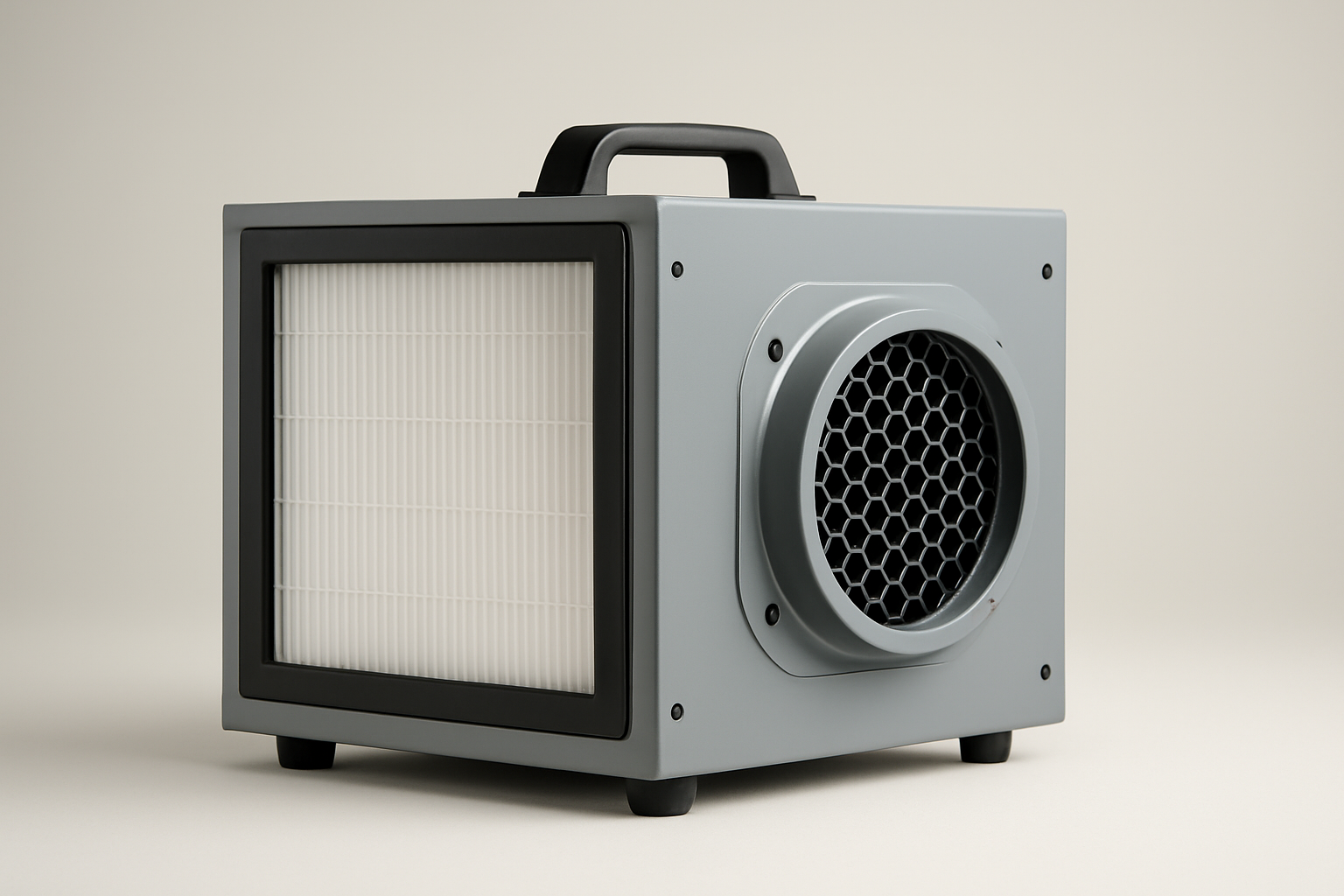
For a closer look at the category itself, see the Aurora guide to renting HEPA air scrubber. The relevant question remains whether it addresses the condition left behind after a basement storage cleanup after water damaged cardboard and the area needed to be cleared was first cleaned up.
The useful constraint here is not a brand or a headline specification; it is the access, materials and ability to recheck whether the dust concern changes after contents are removed and the space is ventilated safely. Those details decide whether the rental becomes helpful or merely present.
A second option, a Aurora drying equipment option to review, can be relevant when whether the dust concern changes after contents are removed and the space is ventilated safely leaves a drying equipment question after the primary task is complete. That is a sequencing decision, not an upsell.
Keep a simple record for the next check in basement storage cleanup
The follow-up should return to whether the dust concern changes after contents are removed and the space is ventilated safely. A second look is most useful when it compares the same material, edge or room boundary rather than relying on a general impression.
A good handoff point is whether the dust concern changes after contents are removed and the space is ventilated safely. If that part of the room has not changed as expected, resist the urge to cover it up with furniture or ordinary use. The next decision should be based on what the material is doing, not on how ready the room feels to reclaim.
The most useful local plan is specific about what is in the air and what is still wet.
About the Author