\Your home’s HVAC system is one of the most valuable investments you’ll make. It keeps your family comfortable through freezing winters and hot summers while helping maintain healthy indoor air quality. Yet many homeowners don’t think about their heating and cooling system until something goes wrong. By then, a small issue may have turned into an expensive repair or even a complete system replacement.
Whether you’ve recently installed a new unit or want to extend the life of your current one, understanding how to care for your system can save you time, money, and unnecessary stress. If you ever need professional HVAC repair Lebanon, OH services, acting quickly when problems arise can help prevent more extensive damage.
Think of Your HVAC System as a Long-Term Investment
Just like your car requires oil changes and routine inspections, your HVAC system performs best when it receives regular maintenance. It operates for thousands of hours each year, constantly adjusting to outdoor temperatures while maintaining a comfortable indoor environment.
Without proper care, components wear down faster, airflow becomes restricted, and efficiency declines. Small maintenance tasks performed consistently can significantly increase the lifespan of your equipment while reducing operating costs.
Protecting your investment isn’t about spending more—it’s about preventing avoidable problems before they become expensive emergencies.
Change Air Filters Regularly
One of the easiest ways to protect your HVAC system is replacing the air filter on schedule.
A dirty filter restricts airflow, forcing your system to work much harder than necessary. This additional strain increases energy consumption and accelerates wear on critical components.
Most homes benefit from replacing filters every one to three months, although households with pets, allergies, or higher dust levels may need more frequent changes.
Fresh filters also improve indoor air quality by trapping dust, pollen, and other airborne particles before they circulate throughout your home.
Schedule Professional Maintenance Every Year
Routine maintenance remains one of the smartest investments homeowners can make.
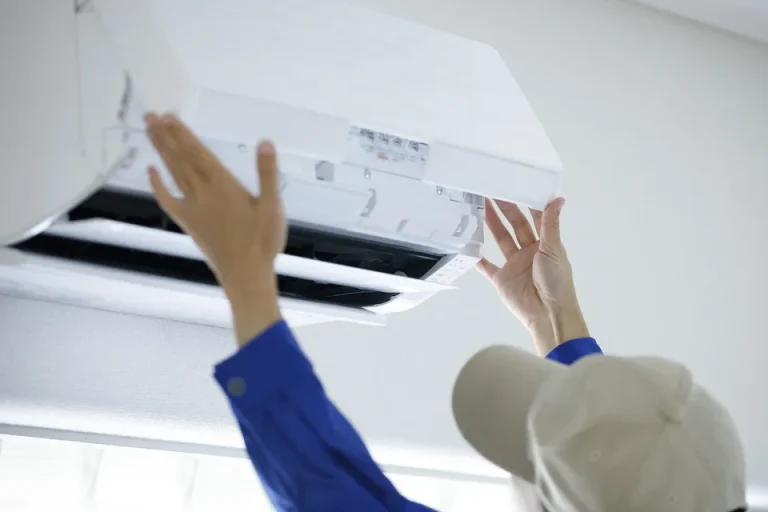
A trained HVAC technician can inspect electrical components, clean internal parts, check refrigerant levels, lubricate moving parts, and identify developing issues before they cause system failure.
Preventive maintenance often catches worn belts, loose electrical connections, clogged drain lines, or aging components that may otherwise lead to unexpected breakdowns.
Many manufacturers also recommend annual servicing to help maintain warranty coverage.
Keep Outdoor Equipment Clean
If your home has a central air conditioner or heat pump, the outdoor unit plays a vital role in system performance.
Leaves, grass clippings, dirt, and other debris can accumulate around the condenser, restricting airflow and reducing efficiency.
Maintain at least two feet of clear space around the unit and periodically remove debris with gentle cleaning. Trim nearby shrubs and vegetation to improve ventilation and allow the equipment to operate efficiently.
Never use high-pressure washers, as they may damage delicate condenser fins.
Don’t Ignore Small Warning Signs
HVAC systems rarely fail without giving some indication that something isn’t right.
Pay attention to warning signs such as:
● Unusual noises
● Weak airflow
● Uneven temperatures
● Higher-than-normal energy bills
● Frequent cycling
● Strange odors
● Excess indoor humidity
Many homeowners postpone repairs because the system still seems to function. Unfortunately, minor problems often become much more expensive if left unresolved.
Addressing issues early can prevent major component failures and reduce repair costs.
Use Your Thermostat Wisely
Your thermostat has a greater impact on HVAC performance than many people realize.
Constantly adjusting temperatures or making dramatic changes forces your system to work harder than necessary.
A programmable or smart thermostat helps maintain consistent temperatures while reducing unnecessary runtime when the home is empty or occupants are asleep.
Even modest adjustments of a few degrees can reduce energy usage without sacrificing comfort.
Seal Air Leaks Around the Home
Your HVAC system can only perform efficiently if conditioned air stays inside your home.
Leaks around windows, doors, attics, crawl spaces, and ductwork allow heated or cooled air to escape, making your equipment work longer to maintain the desired temperature.
Simple improvements such as weatherstripping, caulking, and adding insulation can reduce energy waste while easing the workload on your HVAC system.
Proper duct sealing is especially important in older homes where hidden leaks may significantly reduce efficiency.
Keep Air Vents Open and Unobstructed
Some homeowners mistakenly believe closing vents in unused rooms saves energy.
In reality, closing multiple vents may disrupt airflow and increase pressure inside the duct system, potentially making the HVAC equipment work harder.
Furniture, rugs, curtains, and storage boxes can also block supply or return vents.
Keep vents open and unobstructed to ensure balanced airflow throughout your home.
Monitor Energy Bills
Your monthly utility bill can reveal problems before you notice comfort issues.
If energy costs suddenly increase without significant changes in weather or usage habits, your HVAC system may be losing efficiency.
Possible causes include dirty coils, failing motors, refrigerant issues, airflow restrictions, or aging equipment.
Monitoring energy trends throughout the year can help identify problems early and avoid unexpected repair expenses.
Know When Replacement Makes More Sense
Even with excellent maintenance, no HVAC system lasts forever.
Most systems provide reliable performance for 15 to 20 years, depending on usage, maintenance history, and installation quality.
If repairs become frequent or energy costs continue rising, replacing an aging system may be the more cost-effective long-term solution.
Modern HVAC systems offer improved energy efficiency, quieter operation, enhanced humidity control, and lower operating costs compared to older equipment.
Consulting an experienced HVAC professional can help determine whether continued repairs or replacement offers the better value.
Final Thoughts
Protecting your HVAC investment doesn’t require complicated maintenance or expensive upgrades. Consistent filter changes, annual professional inspections, proper thermostat use, and paying attention to early warning signs all contribute to a healthier, longer-lasting system.
A proactive approach not only reduces the risk of unexpected breakdowns but also improves energy efficiency, extends equipment life, and keeps your home comfortable throughout every season. By treating your HVAC system as the valuable investment it is, you’ll enjoy greater reliability and fewer costly surprises for years to come.
About the Author