Staying comfortable during warmer months is no longer just about lowering the thermostat. Today’s homeowners want cooling systems that are energy-efficient, smart, reliable, and capable of maintaining consistent indoor comfort without driving up utility bills. As technology continues to evolve, modern cooling solutions now offer better airflow, improved humidity control, quieter operation, and greater energy savings than older systems ever could.
Choosing the right cooling setup can make a noticeable difference in daily comfort and long-term home efficiency. From smart thermostats to advanced ductless systems, modern air conditioning technologies are helping households create healthier and more comfortable indoor environments year-round.
1. Smart Thermostats Make Cooling More Efficient
Smart thermostats have quickly become one of the most popular upgrades for modern homes. These devices allow homeowners to control indoor temperatures remotely through mobile apps while learning household routines over time.
Many smart thermostats automatically adjust cooling schedules based on occupancy, outdoor weather conditions, and energy usage patterns. This helps reduce unnecessary cooling while maintaining comfort throughout the day.
Professional air conditioning services in Framingham, MA can help homeowners evaluate their current systems, improve energy efficiency, and identify the best cooling options for their specific property needs.
2. Ductless Mini-Split Systems Offer Flexible Cooling
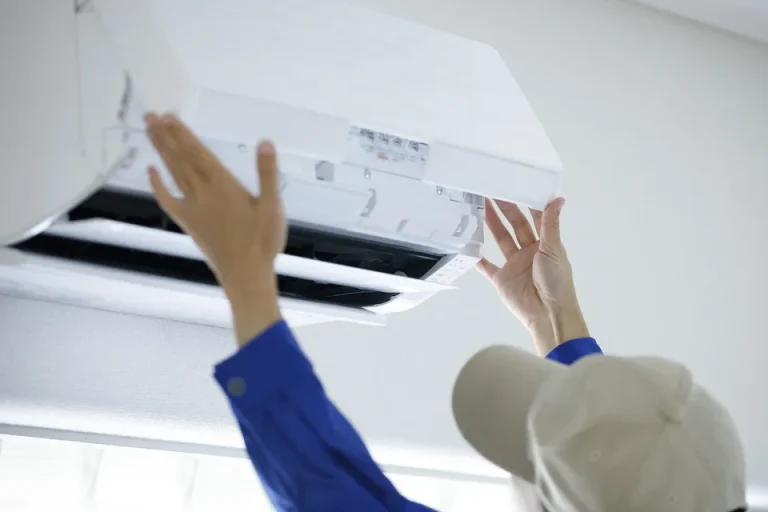
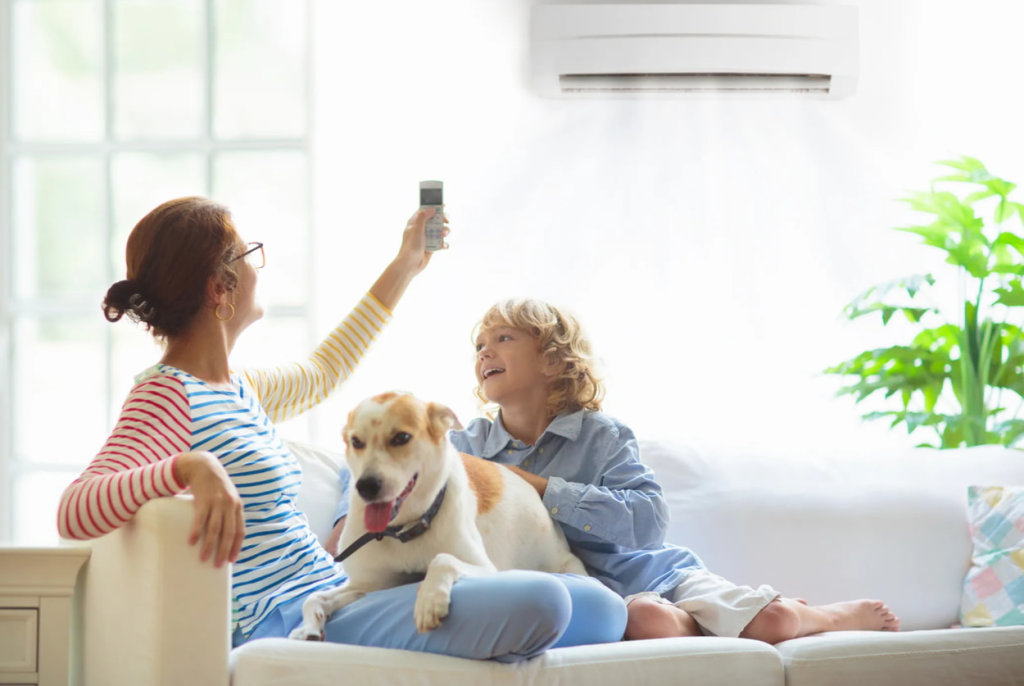
Ductless mini-split systems are becoming increasingly popular because they provide efficient cooling without requiring traditional ductwork. These systems consist of an outdoor compressor connected to one or more indoor air-handling units.
Mini-splits work especially well for older homes, room additions, garages, and areas where extending ductwork would be difficult or expensive. They also allow for zoned cooling, meaning homeowners can cool individual rooms separately instead of conditioning the entire house at once.
This targeted approach improves energy efficiency while giving occupants greater control over indoor comfort. Many homeowners also appreciate the quiet operation and compact design of ductless systems.
3. Variable-Speed Air Conditioners Improve Indoor Comfort
Traditional air conditioners often run at full power until the desired temperature is reached, then shut off completely. Variable-speed systems operate differently by gradually adjusting output based on cooling demand.
This technology helps maintain more stable indoor temperatures while reducing sudden temperature swings and humidity fluctuations. Because the system runs more consistently at lower speeds, it also consumes less energy over time.
Variable-speed units tend to operate more quietly and place less strain on internal components, which may extend system lifespan. Homeowners seeking both comfort and efficiency often find this upgrade worthwhile for long-term performance.
4. Improved Indoor Air Quality Is Now Part of Modern Cooling
Modern cooling systems do more than regulate temperature. Many newer HVAC systems now integrate advanced filtration and humidity control features that significantly improve indoor air quality.
Poor indoor air quality can contribute to allergies, respiratory discomfort, and excessive indoor humidity. Modern cooling solutions help address these concerns by filtering airborne particles, balancing moisture levels, and improving overall ventilation.
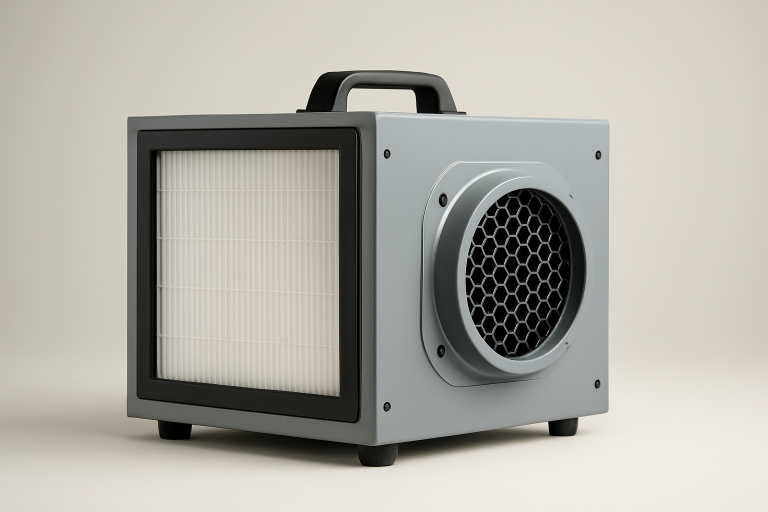
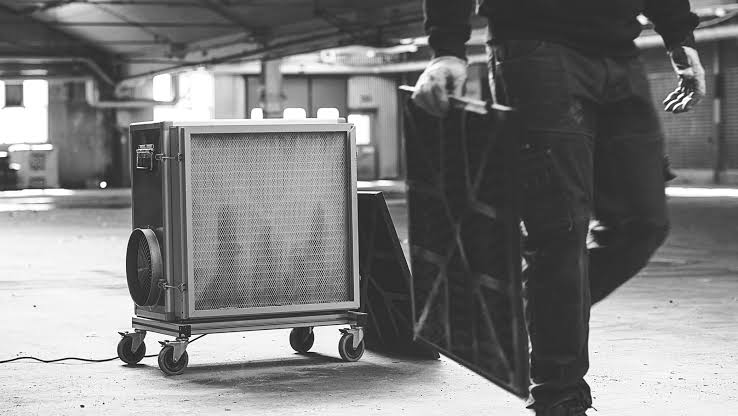
Whole-home air purifiers, UV filtration systems, and high-efficiency filters are commonly paired with modern air conditioning units to create cleaner indoor environments. This is especially valuable for households with pets, allergy sufferers, or individuals sensitive to dust and airborne pollutants.
5. Energy-Efficient Systems Lower Long-Term Costs
Energy efficiency remains one of the biggest reasons homeowners upgrade their cooling systems. Older air conditioning units often consume far more electricity than modern high-efficiency models.
Today’s systems are designed to meet stricter energy standards while providing better overall performance. Features such as higher SEER ratings, inverter technology, and advanced compressors help reduce energy consumption without sacrificing comfort.
Although installation costs may initially seem higher, homeowners often recover those expenses through reduced monthly utility bills and fewer repair needs over time. In many cases, energy-efficient systems also qualify for rebates or incentives offered through utility providers or government energy programs.
6. Regular Maintenance Keeps Cooling Systems Performing Properly
Even the most advanced cooling system requires routine maintenance to operate efficiently. Dirty filters, clogged coils, refrigerant issues, and neglected components can reduce system performance and increase energy usage.
Professional inspections help identify small issues before they become expensive repairs. Routine maintenance also improves airflow, supports consistent cooling, and helps extend the lifespan of HVAC equipment.
Scheduling seasonal air conditioning services in Framingham, MA allows homeowners to prepare their systems for peak summer temperatures while maintaining reliable indoor comfort throughout the season.
7. Zoned Cooling Provides Better Temperature Control
Zoned cooling systems allow homeowners to divide the house into separate temperature-controlled areas. Each zone operates independently, helping eliminate common comfort issues such as hot upstairs bedrooms or uneven cooling between rooms.
This approach reduces wasted energy because homeowners cool only the occupied areas rather than the entire home at once. Zoned systems are especially useful for larger homes, multi-story layouts, or properties with varying sun exposure throughout the day.
Improved temperature control also enhances overall comfort for households where family members prefer different room temperatures.
8. Modern Cooling Technology Supports Eco-Friendly Living
Environmental awareness continues to influence how homeowners choose cooling systems. Many newer HVAC models are designed with environmentally friendly refrigerants and energy-saving technologies that reduce overall environmental impact.
High-efficiency systems consume less electricity, which lowers greenhouse gas emissions associated with energy production. Some modern systems also integrate with solar energy setups or smart home platforms to optimise overall household energy management.
As sustainability becomes increasingly important, eco-conscious cooling solutions are helping homeowners reduce both environmental impact and operating costs without compromising comfort.
Wrapping Up
Modern cooling solutions are transforming how homeowners manage indoor comfort. From smart thermostats and ductless systems to improved air quality and energy-efficient technology, today’s HVAC innovations offer greater convenience, reliability, and long-term savings than ever before.
Investing in the right cooling system and maintaining it properly can improve comfort, reduce energy costs, and create a healthier indoor environment for years to come. As cooling technology continues to advance, homeowners have more options than ever to create efficient and comfortable living spaces tailored to their specific needs.
About the Author