
Moving to a new home is one of life’s most significant transitions. Whether it’s across the city or to another country, relocation brings a mix of excitement, stress, and opportunity. While most people focus on logistics like packing and transportation, it’s just as important to think ahead about how your new space will look and feel. Elements such as wall panels for interior, lighting, and furniture layout can play a major role in shaping a comfortable and visually appealing environment from the very beginning.
The first stage of any move is planning. A well-organized relocation starts weeks, sometimes even months, in advance. Creating a checklist helps break down the process into manageable tasks: sorting belongings, notifying service providers, arranging transportation, and preparing essential documents. One of the most important steps is decluttering. Moving is the perfect opportunity to reassess what you truly need. Items that no longer serve a purpose can be donated, sold, or recycled, reducing both moving costs and unnecessary clutter in your new home.
Packing is often considered the most time-consuming part of moving. It requires not only organization but also care. Fragile items need proper wrapping, while heavier objects should be packed in smaller boxes to make lifting easier. Labeling each box clearly by room and content can save a huge amount of time when unpacking. Many people also prepare an essentials box with items they will need immediately upon arrival—such as toiletries, basic kitchenware, chargers, and a change of clothes—an approach that aligns with efficient last-mile logistics, where the final stage of delivery is optimized for speed and convenience.
Transportation is another key aspect. Depending on the distance and volume of items, you may choose between hiring a professional moving company or handling the move independently. Professional movers can save time and reduce physical strain, but it’s important to research and choose a reliable provider. For international moves, additional factors such as customs regulations, documentation, and shipping methods must be considered.
Once you arrive at your new home, the real transformation begins. Unpacking is not just about placing items where they belong—it’s about shaping a space that reflects your lifestyle and personality. Many people rush through this stage, but taking the time to plan your interior can make a significant difference in how comfortable and functional your home feels.
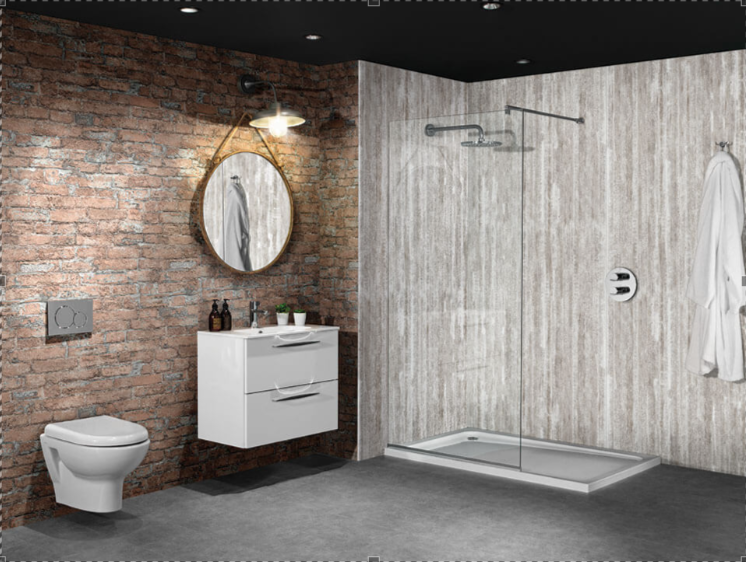
One increasingly popular way to upgrade a new space quickly is by using decorative panels for walls. These panels offer a simple yet effective way to add texture, depth, and visual interest without extensive renovation. Available in various materials, colors, and patterns, they can suit both modern and classic interiors. For example, fluted or grooved panels can create a sense of rhythm and elegance, while minimalist flat panels contribute to a clean, contemporary look. Installing such elements early in the setup process can instantly elevate the overall atmosphere of your home.
Beyond aesthetics, it’s also important to consider functionality. Thoughtful furniture placement, proper lighting, and efficient storage solutions all contribute to a comfortable living environment. Open spaces should feel balanced, not empty, while smaller rooms can benefit from smart organization techniques to maximize usability. Investing in multi-functional furniture—such as storage beds or extendable tables—can be especially helpful in optimizing space.
About the Author