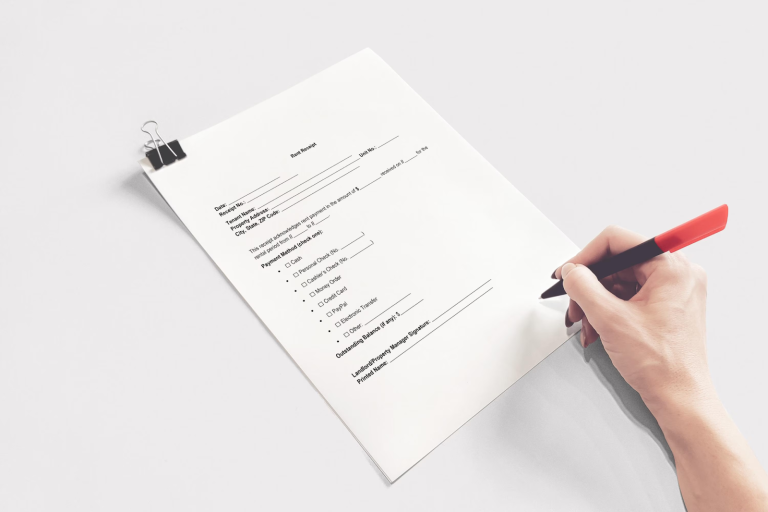
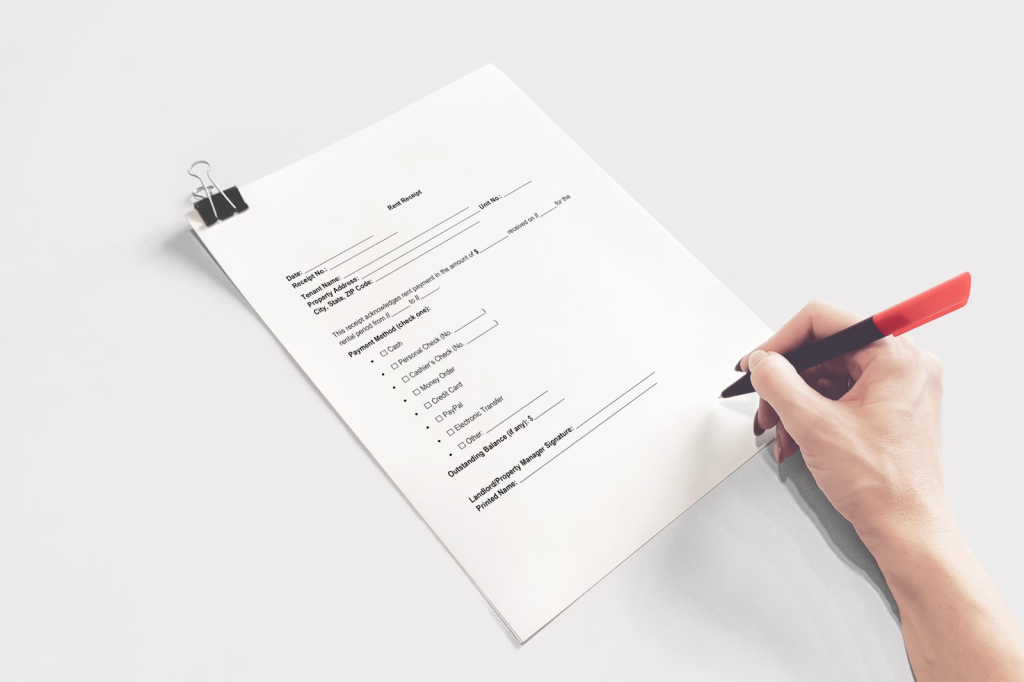
If you run a business in the United States and rent a workspace—whether it’s an office, retail unit, studio, or desk in a shared hub—keeping clear records is part of running a professional operation. One simple document can make a big difference: a rent receipt template.
Although it may seem like a small detail, a rent receipt template gets you started and helps protect your finances, supports tax deductions, and prevents disputes between landlords and tenants.
In this guide, we explain what a rent receipt is, when it may be required in the U.S., what details it should include, and how to manage it properly as part of your business record-keeping.
Why Rent Receipts Matter for U.S. Businesses
What Is a Rent Receipt?
A rent receipt (also called a rental payment receipt) is a written document confirming that rent has been paid for a specific period. It typically includes details about who made the payment, who received it, how much was paid, and what dates the payment covers.
Usually, the landlord or property manager issues the receipt. However, in certain business arrangements—such as subleases, coworking spaces, or shared commercial offices—either party may prepare it.
Rent receipts are especially helpful when:
- A business needs proof of rent payments for accounting or tax records
- A landlord wants documentation of rental income received
- There is a dispute about whether rent was paid
- Rent payments are made in cash
Although simple, a rent receipt provides documented proof that protects both parties.
Are Rent Receipts Legally Required in the U.S.?
Unlike some countries, the United States does not have a single nationwide rule requiring rent receipts for every payment. However, laws can vary by state or city, and some jurisdictions require receipts in certain situations.
Common requirements include:
Cash Payments
Several states and local jurisdictions require landlords to provide a receipt when rent is paid in cash. This ensures tenants have proof of payment.
Tenant Request
In some states, landlords must provide a receipt if the tenant asks for one, particularly for residential leases.
Record-Keeping and Taxes
Businesses may need documentation of rent payments for IRS tax reporting, especially when claiming rent as a deductible business expense.
Even when not legally required, issuing rent receipts is widely considered best practice. It demonstrates professionalism and helps prevent misunderstandings.
The Business Benefits of Using Rent Receipts
1. Better Financial Records
Rent receipts simplify bookkeeping and expense tracking. They provide clear documentation for tax filings and financial statements, helping accountants verify rental costs.
2. Fewer Payment Disputes
If a disagreement arises over whether rent was paid, a written receipt can quickly resolve the issue.
3. Stronger Professional Image
Providing formal receipts shows that your business handles financial transactions in a structured and transparent way, building trust with landlords and partners.
4. Legal Protection
If a legal dispute ever occurs—such as disagreements about unpaid rent—accurate records can help support your position.
How to Create and Manage a Proper Rent Receipt Template
What to Include in a Rent Receipt Template
While there is no mandatory national format, a well-structured rent receipt template in the U.S. should include the following details:
Receipt Number
A unique reference number helps track receipts and organize financial records.
Date of Payment
The exact date the rent was received.
Amount Paid
The total amount paid, preferably written in both numbers and words.
Rental Period Covered
For example: June 1, 2024 – June 30, 2024.
Property Address
The full address of the rented property or workspace.
Tenant or Business Name
Include the company name and business entity (LLC, Inc., etc.) if applicable.
Landlord or Property Manager Information
Name, business name, and contact details.
Payment Method
Examples include cash, check, bank transfer, credit card, or digital payment.
Signature
The landlord, property manager, or authorized representative should sign the receipt. Digital signatures are acceptable.
Notes Section (Optional)
This can record partial payments, late fees, or outstanding balances.
Using the same format each time helps keep records organized and easy to audit.
Digital vs. Paper Rent Receipts
Many U.S. businesses now use digital rent receipts, which are generally acceptable as long as they contain accurate information.
Recommended practices include:
- Saving receipts as PDF files to prevent editing
- Allowing both parties to download or print copies
- Keeping backups in cloud storage and local drives
- Providing a paper receipt immediately for cash payments
A secure storage system helps protect records during audits or disputes.
Sales Tax and Commercial Rent
In most U.S. states, commercial rent is not subject to sales tax, but there are exceptions. Some states or cities may impose taxes or fees related to commercial leasing.
If taxes apply, the receipt should clearly show:
- The tax rate applied
- The tax amount
- The total amount paid including tax
Because tax rules vary widely by state, businesses should check with a local accountant or tax professional for guidance.
How Long Should Rent Receipts Be Kept?
For tax and accounting purposes, businesses in the United States should generally keep rent receipts and related financial records for at least three to seven years, depending on record-keeping policies and IRS audit guidelines.
Maintaining organized records ensures you can provide proof of expenses if needed.
Common Mistakes to Avoid
To keep your documentation reliable, avoid these common errors:
- Leaving out key information such as the rental period or property address
- Failing to note the payment method
- Not using consistent receipt numbers
- Relying only on verbal confirmation
- Storing receipts without proper data security
Accurate documentation reduces financial risk and demonstrates responsible business practices.
Final Thoughts
A rent receipt may seem like a minor document, but it plays an important role in protecting your business. It helps support tax deductions, prevent payment disputes, and maintain transparent records between landlords and tenants.
Using a clear and professional rent receipt template ensures that every payment is properly documented. Whether your business rents a full office, retail space, or part of a shared workspace, maintaining organized records can help keep your operations running smoothly as your company grows.
If you are unsure about tax rules, lease terms, or record-keeping requirements, consulting a legal or accounting professional can help ensure your business stays compliant.
About the Author