A drive paved with concrete, block, or stone increases appeal and durability to a home—but only when it’s asserted properly. As heats drop, dampness enters the junctures, freezes, expands, and moderately deacays fundamental issues. The earlier you address questions, the smoother and less expensive the repairs.
Here are some warning signs your drive pavers need repair before winter makes things worse.
Sunken or Low Spots That Collect Water
If certain portions of your driveway look lower than the rest or hold puddles subsequently rain, that is a sign of base failure. Water combining accelerates stop-thaw damage, softens the sub-base, and causes more sinking. Before the cold, levelling and rebuilding the base tier prevents further collapse. You can also contact a driveway contractor for any kind of repair.
Bulging or Raised Pavers
Heaved pavers customarily point to weak base compaction, tree root interruption, or trapped dampness. As the ground freezes, these areas rise even higher. Leaving them untreated may create erring hazards, vehicle jerks, or broken edges, so correcting the subgrade early is essential.
Loose or Rocking Stones
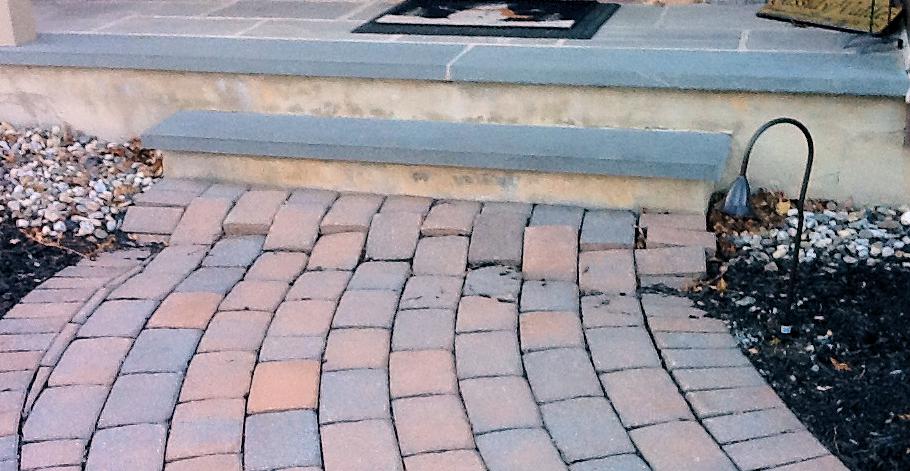
Do a few of your driveway bricks quake when stepped on? Loose pavers mean joint soil has washed continuously or bedding coatings are shifting. Winter infiltration will work more deeply, improving more tiles and causing faster deterioration.
Sand Loss Between Joints
If you visualize empty gaps between stones, you are falling polymeric sand or joint stabilizer—your drive’s defence against weeds, ants, and water intrusion. Re-sanding or sealing these joints stops moisture penetration that can stop, expand, and tear your pavers to separate.
Spreading Cracks or Chips
Minor surface cracks in paver driveways might look beautiful, but once winter starts, they expand speedily. Chips on edges often bring about structural defects in adjoining stones. Repairing damaged systems or sealing susceptible surfaces prevents widespread breaks during cold weather.
Stains That Keep Darkening
Oil, fuel, rust, and organic stains seep into porous pavers. If they perform darker over a period or spread, the material is absorbing contaminants that weaken metal integrity. Winter liquid holds stains longer, making renovation harder—treating them early protects both image and strength.
Weed Growth Between Pavers
Plant roots thrive in a joint break. If weeds are returning fast despite cleansing, it means the joints are defenceless and retaining soil. Letting roots spread in winter widens breaks, shifts tiles, and brings pests—act before freeze phases intensify the question.
Drainage Issues Around Your Driveway
Water flowing towards your home, combining at the edges, or eroding soil shows the pitch of the drive is off. Winter snowmelt aggravates drainage failures. Re-evaluating, installing penetrable pavers, or adjusting slopes helps water move continuously instead of injurious your base layers.
Why Acting Before Winter Matters
Winter is the harshest season for concreted surfaces because:
- Water turns to ice and expands
- Sand washes out more easily
- Freeze-unfreeze cycles multiply cracks
- Minor inconstancy becomes bigger structural deterioration
Fixing problems with a trusted driveway company before winter costs less, takes less time, and protects the age of your driveway.
Conclusion
Spotting these warning signs early way you can repair, reinforce, and preserve your pavers before winter damage spreads. A bit of preventive perpetuation now keeps your thousands later—and keeps your home fashionable through every season.
About the Author